Rahvakogu

WHAT MAKES A GOOD LIFE?

The Citizens’ Panel on Good Life invites people in January and February 2026 to discuss what Estonia’s economic and social policy should look like in order to ensure greater well-being for both people and nature. The panel will be formed through a random selection of 30 residents of Estonia, representing a cross-section of the population based on various characteristics.


A citizens’ panel is an impactful deliberative democracy method that helps strengthen collective will for sustainable change by bringing into decision-making those whose voices are usually not heard in public debate.

REFLECTING ON
THE GOOD LIFE

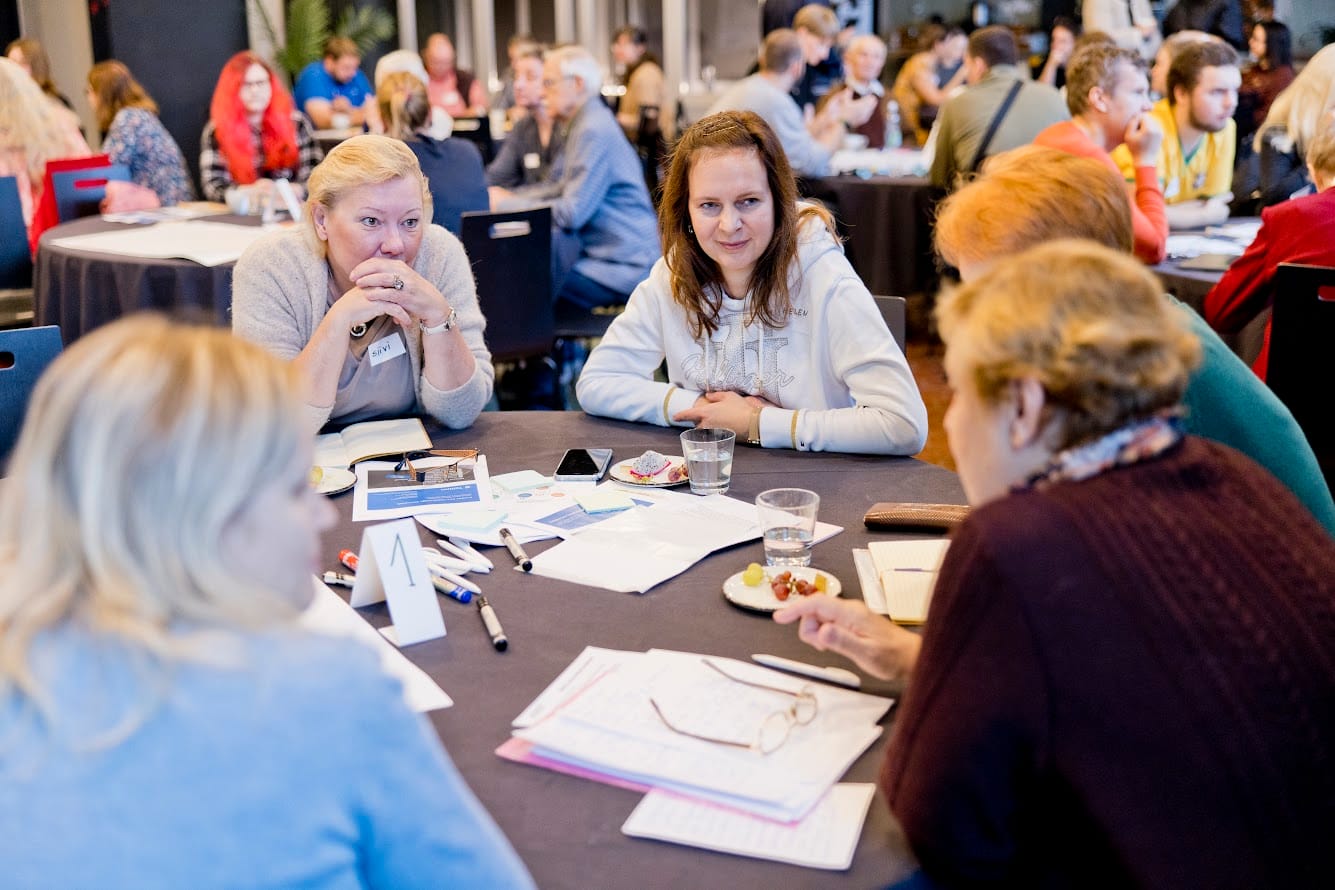
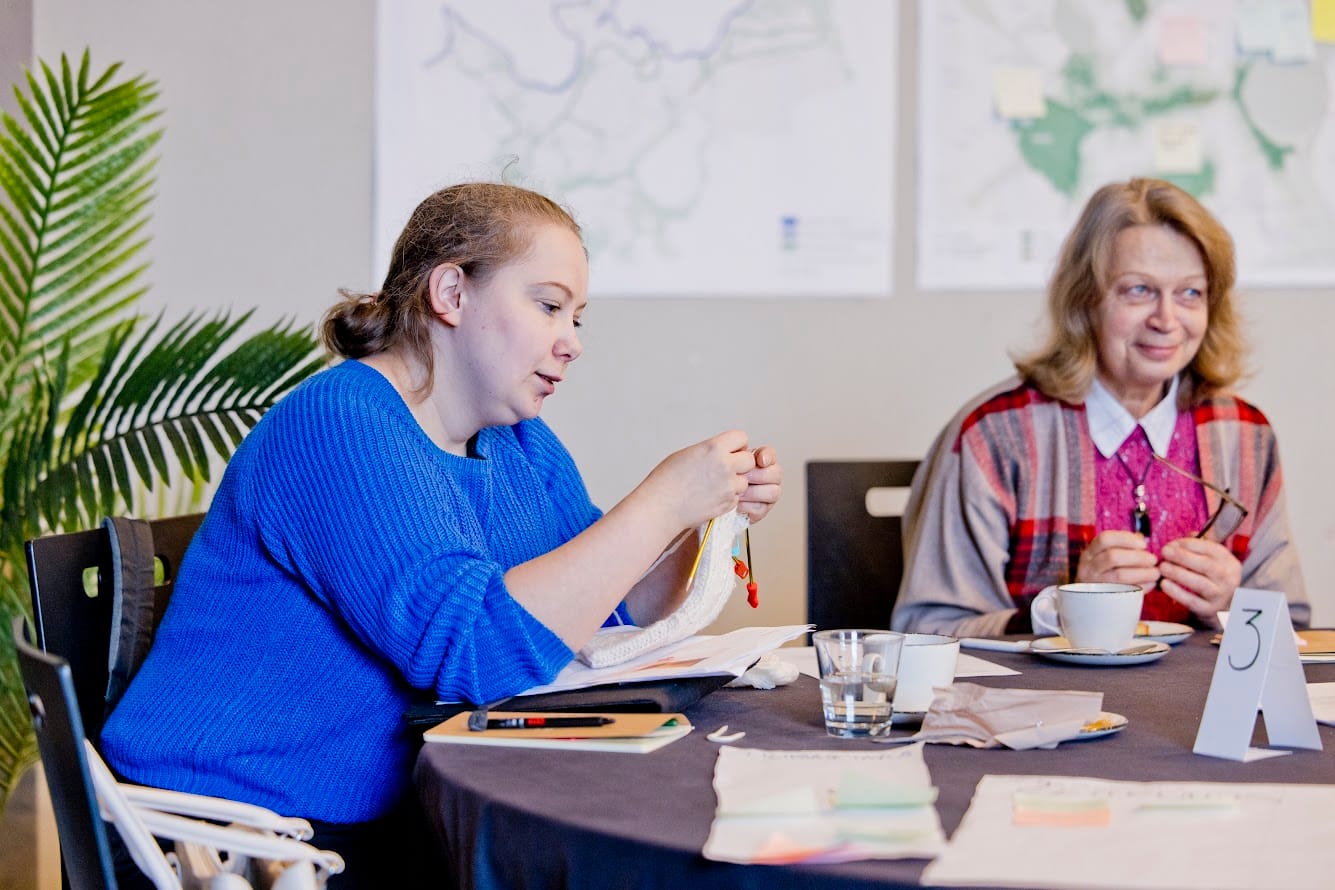
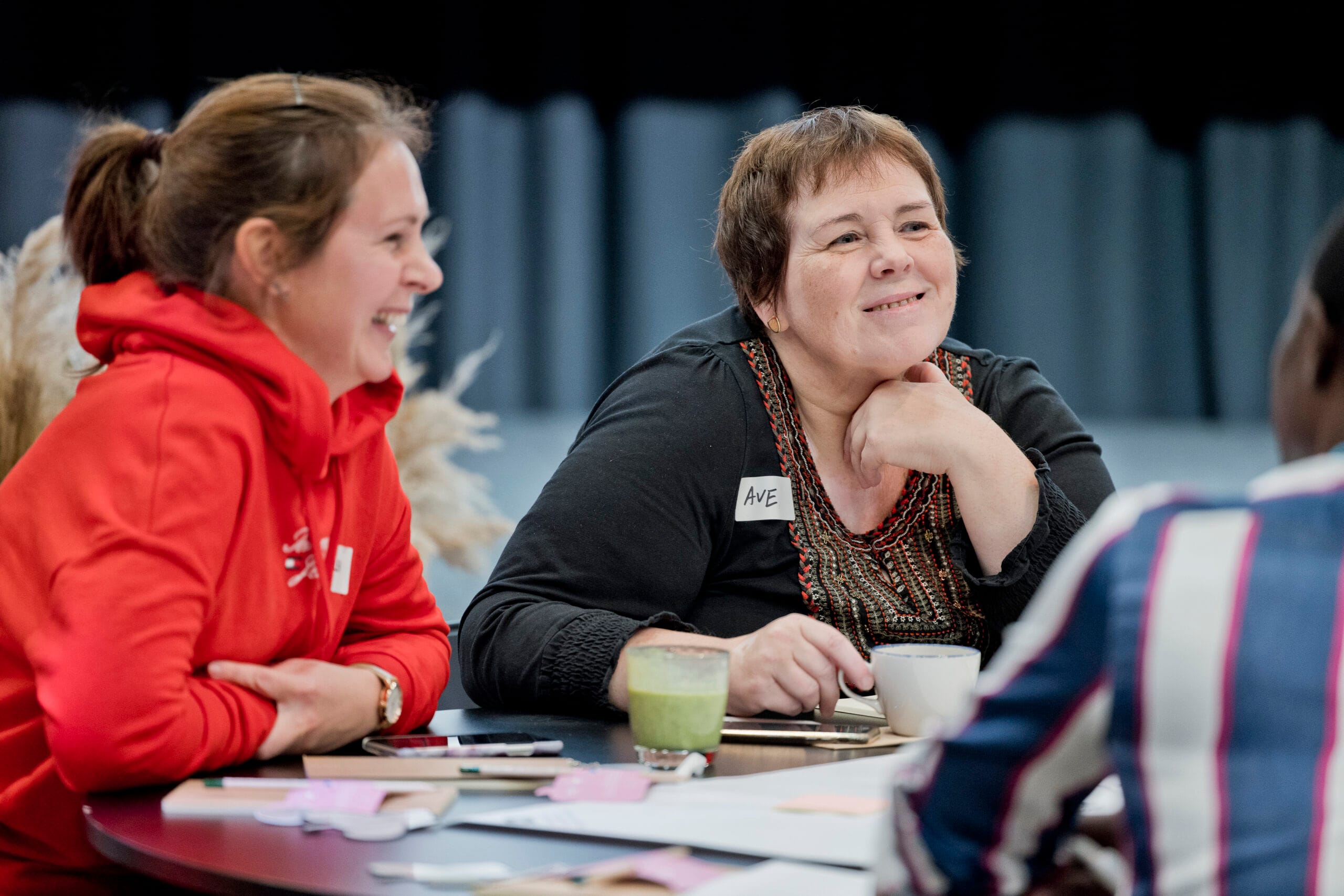
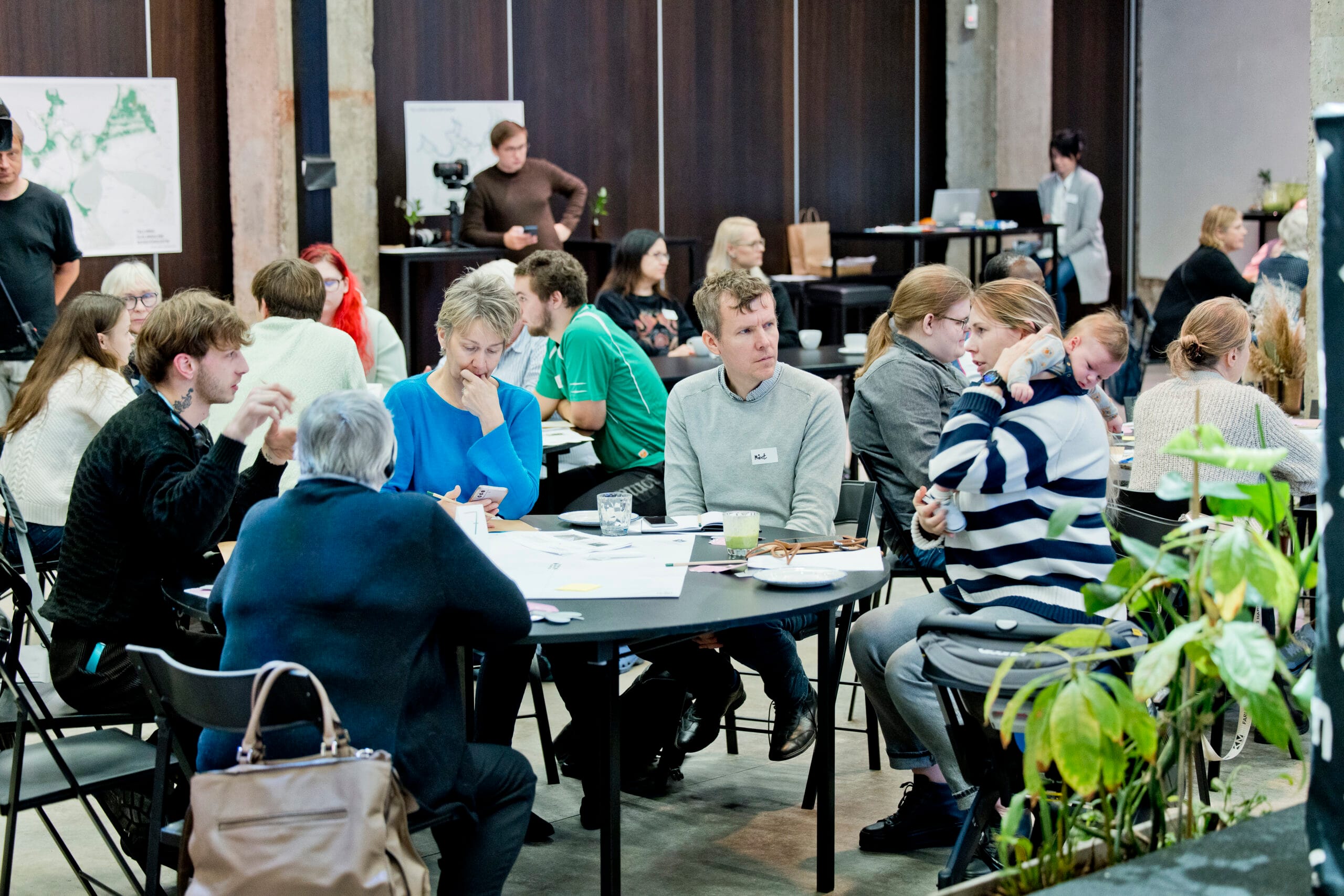
The citizens’ panel brings together a representative sample of Estonia's population (a "mini-Estonia") of 30 people to discuss what constitutes a good life and whether our current policies support it.

A NEW APPROACH TO DECISIONMAKING

We are testing a small-scale citizens' assembly (citizen panel) as a model that can help our society to address complex issues, overcome disagreements, and foster greater unity.

SETTING CHANGES
IN MOTION

We believe that meaningful change begins with the readiness of citizens and the courage of decision-makers. As a result of the citizens’ panel policymakers gain the confidence to prioritize the well-being of people and nature - and not solely economic growth.

HOW TO PARTICIPATE?

A citizens’ assembly involves participants in various roles:


Members of the Citizens' Panel

Everyday people from across Estonia, selected through a democratic lottery, who deliberate together to propose solutions on key societal issues.

Stakeholders

Individuals and groups directly affected by or involved in the assembly’s topic, who share their perspectives, experiences, and proposed solutions.

Experts

Topic specialists invited to present clear, evidence-based information to help participants understand the issues and make informed decisions.

Observers

Professionals, researchers, and interested individuals who attend the assembly to learn from the process without influencing the discussions or outcomes.

ChatGPT Image Jun 6, 2025, 01_03_54 PM

Moderators

Skilled professionals who guide the overall process and group discussions, helping create a respectful, inclusive, and productive environment.

The Organizing Team

The team responsible for designing and facilitating the assembly process, ensuring smooth coordination, fairness, and support throughout.

HOW DOES IT WORK?

The Citizens’ Panel is composed of 30 diverse residents of Estonia who reflect the diversity of our population. They represent real lives and real concerns — and a shared desire to help shape a better future.

December 2025
Invitations to the Panel

Applications to the Citizens’ Panel on Good Life and a public call sent to 20,000 people in Estonia – everyone can register their interest in taking part.

End of December 2025
Democratic lottery

Selection of 30 participants by random sortition (“mini-Estonia”) and agreeing on the focus topic of the Citizens’ Panel on Good Life.

Beginning of January 2026
Introductory webinar

Members of the Citizens’ Panel hear what will happen on the meeting days.

10th-11th of January 2026, Keila
First Weekend of the Panel

Getting to know each other, mapping values and learning from experts about the topic.

24th-25th of January 2026, Kadrina
Second Weekend of the Panel

Listening to stakeholder perspectives, group discussions, exploring future visions, and drafting proposals.

15th of February 2026, Elva
Third Weekend of the Panel

Deciding on the Panel’s proposals and a ceremonial closing. The final position of the Citizens’ Panel is agreed, together with concrete proposals for the state.

Spring 2026
Spreading the Panel's proposals, evalution

The organisers, participants, partners and stakeholder groups bring the results to decision-makers and the wider public. Concrete proposals will start collecting support signatures on the rahvaalgatus.ee platform in order to reach debates in parliament.


As organisers, we evaluate the impact of the Citizens’ Panel on Good Life on policymaking, on the participants themselves and on public decision-making, and we present the format of the panel to both decision-makers and civil society organisations.

WHY IS THE TOPIC IMPORTANT?

The choice of the well-being theme is inspired by the conclusions of Earth4All, a report prepared by the international, independent think tank of scientists and experts known as the Club of Rome. Earth4All emphasizes that our economic and social policy needs rethinking in order to ensure greater well-being that respects the limits of our planet. Members of the Citizens’ Panel will also listen to presentations from experts and various stakeholder groups to help them better understand the topic. Read the Estonian summary of Earth4All here!

The Citizens’ Panel does not attempt to nudge participants toward any specific worldview or solution; instead, it values diverse experiences, viewpoints, and free discussion. Input from experts and stakeholder groups is balanced, as is good practice in citizens’ panels.


104_rdo2012

Public  trust  crisis  and  socio-economic  inequality

According to OECD data, only about 38% of people in Estonia trust their government. Only 24% believe that the parliament effectively holds the government accountable. Just 17% feel that the political system enables people to participate in governance.

Climate change, social inequality, geopolitical crises, and rapid technological development have deeply polarized society. We need balanced discussions and well-considered decisions that go beyond election cycles and better reflect the needs of Estonia’s population.

A citizens’ panel is one of the most innovative and proven ways to help people understand one another better and, through collective wisdom, develop long-term solutions.

Previous Citizens’ Assemblies in Estonia

Previous assemblies have addressed green spaces and climate adaptation in Tallinn (2023), sustainable mobility in Tartu (2022), young people’s perspectives on the just transition in Ida-Virumaa (2021), forestry (2019), and political party financing and elections (2013). The 2013 assembly led to the creation of Estonia’s right of public initiative to the parliament and simplified the process of founding a political party.

Citizens’ assemblies have become a widely used method for discussing and deciding on complex issues — both within the European Union and at national and local levels around the world.

Hea elu rahvakogu on järjekorras kuues rahvakogu Eestis, samas teine üleriigiline. 

Varasemad rahvakogud on käsitlenud Tallinna rohealasid kliimamõjude leevendamisel (2023), säästvat liikuvust Tartus (2022), noorte hinnangut Ida-Virumaa õiglasele üleminekule (2021), metsandust (2019) ning erakondade rahastamist ja valimisi (2013). Tänu 2013. aastal toimunud rahvakogule tekkis meil rahvaalgatusõigus parlamendile ja lihtsustus erakonna loomine. 

Rahvakogud on levinud viis keeruliste küsimuste arutamiseks ja otsustamiseks nii Euroopa Liidus kui ka riiklikul ja kohalikul tasandil üle maailma.

ORGANIZERS

The Citizens’ Panel on Good Life is organised by the DD Democracy Centre and the Praxis think tank. These civil society organisations are also where the development work on citizens’ assemblies takes place.

The panel is commissioned by the Estonian Cooperation Assembly, which manages the People’s Initiative website, and the Network of Estonian Nonprofit Organisations (NENO), the voice of public-interest NGOs. These same organisations have also been involved in organising previous citizens’ assemblies.

You can find more information about the organisers HERE.

FUNDING

The Citizens’ Panel on Good Life is supported by the European Union and the Estonian Centre for International Development (ESTDEV) through Mondo’s NoPlanetB project. It is co-financed by the Nordic Council of Ministers’ Office in Estonia and the DD Democracy Centre. The content is the sole responsibility of the DD Democracy Centre and Praxis and can under no circumstances be regarded as representing the views of the European Union or ESTDEV.


Mondo_logo_logo
logo
NOPLANETB logo

CONTACT:

Email: rahvakogud@praxis.ee

Address: Mõttekoda Praxis, Ahtri 6a, Tallinn