

CITIZEN ASSEMBLIES

CITIZENS’ PANEL ON GOOD LIFE
Led by Praxis, a the Citizens’ Panel on Good Life is taking place.
This is a nationwide event that brings together people in Estonia to collectively reflect on how to guide our society toward the well-being of both people and nature. The assembly helps strengthen the shared commitment to sustainable change.
WHAT IS A CITIZENS' PANEL
A Citizens’ Panel is a deliberative democracy format in which decisions are made by a cross-section of society – a so-called mini-public. Because a citizens’ assembly is grounded in the best available science, uses collective wisdom, and seeks to reach common ground, it is an empowering decision-making method for citizens and communities.
Since the 1970s, the citizens’ assembly format — now widespread across the world — has proven that when people are given decision-making power and enough time, provided with balanced and evidence-based information, and guided through a well-designed process, they are capable of making decisions in the public interest on complex and controversial issues.
Citizens’ assemblies are particularly well-suited for addressing long-term issues, political deadlocks, and topics that polarize society.
In addition, a citizens’ assembly is a fair method — every person has an equal chance of being selected through a random draw to make proposals to the national or city government. A citizens’ assembly helps ensure that the voices of everyday residents are represented in shaping public life.
Among democracy innovators, citizens’ assemblies are considered one of the most impactful formats, increasingly spreading at the local, national, EU, and even global levels.

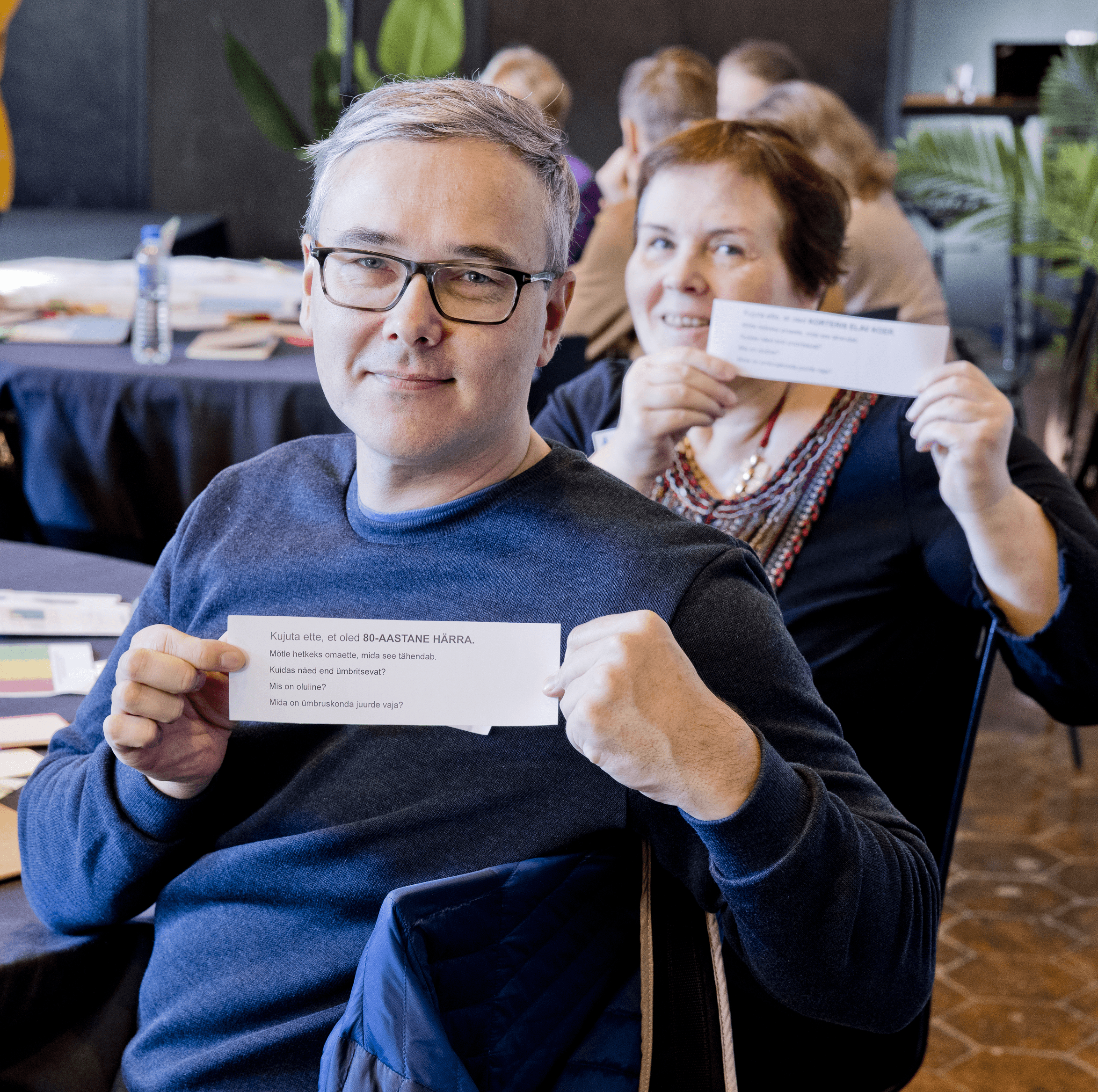
Around the world, citizens’ assemblies are increasingly being commissioned by the public sector to make decisions on climate action, improve urban living environments, and explore softer topics in schools, museums, and other educational institutions. A permanent citizens’ assembly exists, for example, in the city of Paris, where a “mini-Paris” recently drafted a regulation to prevent and alleviate homelessness in the megacity. In Brussels and Milan, standing citizens’ assemblies monitor the implementation of city climate policies. Citizens’ assemblies are also used for wealth redistribution — for instance, to decide on the allocation of private foundation funds in Austria or on the use of oil wealth in Norway.
Within the European Union, citizens’ assemblies (citizen panels, citizen forums) have become a regular way of involving everyday citizens in decision-making on important issues. This year, a citizens’ assembly was held on the EU budget; upcoming assemblies will focus on biodiversity from a youth perspective, and on intergenerational solidarity.
This is how a citizen assembly works:

A demographically representative group of CITIZENS


Are given time and opportunity to LEARN
A demographically representative group of CITIZENS
Are given time and opportunity to LEARN

Before they DELIBERATE

They are presented with expert EVIDENCE
Before they DELIBERATE
They are presented with expert EVIDENCE

In order to make DECISIONS

That serve as a MANDATE for the PUBLIC SECTOR
In order to make DECISIONS
That serve as a MANDATE for the PUBLIC SECTOR
why deliberative mini-publics?
In a way, citizen assemblies offer a blueprint for democratic decision-making. That is why we as democracy innovators are organizing them in Estonia and beyond.That is why DD is organizing them in Estonia and beyond. At the same time, we contribute to the international development work of deliberative mini-publics in these networks: Democracy R&D global network, Knowledge Network on Climate Assemblies (KNOCA), Federation For Innovating Democracy – Europe (FIDE).
OUR EXPERIENCE
Our deliberative democracy experts have, in their different roles, organized the previous climate-related citizen assemblies in Estonia.
Tallinn climate assembly on green spaces (2023)
Tallinn, while being the green capital of Europe, piloted the climate assembly as an innovative citizen engagement method in 2023. The mini-Tallinn gathered for 5 days over three weekends, deliberated in Estonian, Russian, and English, and proposed climate-proof ideas for preserving and adding more urban green in Tallinn.
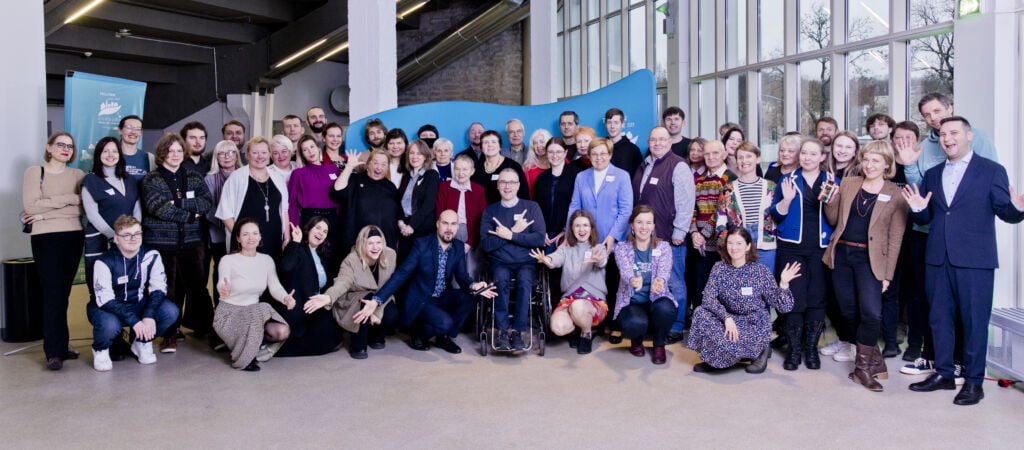
The mandate was to prioritize climate adaptation actions regarding green spaces, according to the existing strategy of Tallinn 2035. Tallinn’s vice mayor chairs a committee that is responsible for publicly answering the 39 proposals and communicating about the implementation of proposals throughout 2024.
The assembly was organized by Tallinn Strategy Unit and DD Center for Democracy.
Website of the assembly (also in English): greentallinn.eu/rahvakogu
Tartu Climate Assembly (2022)
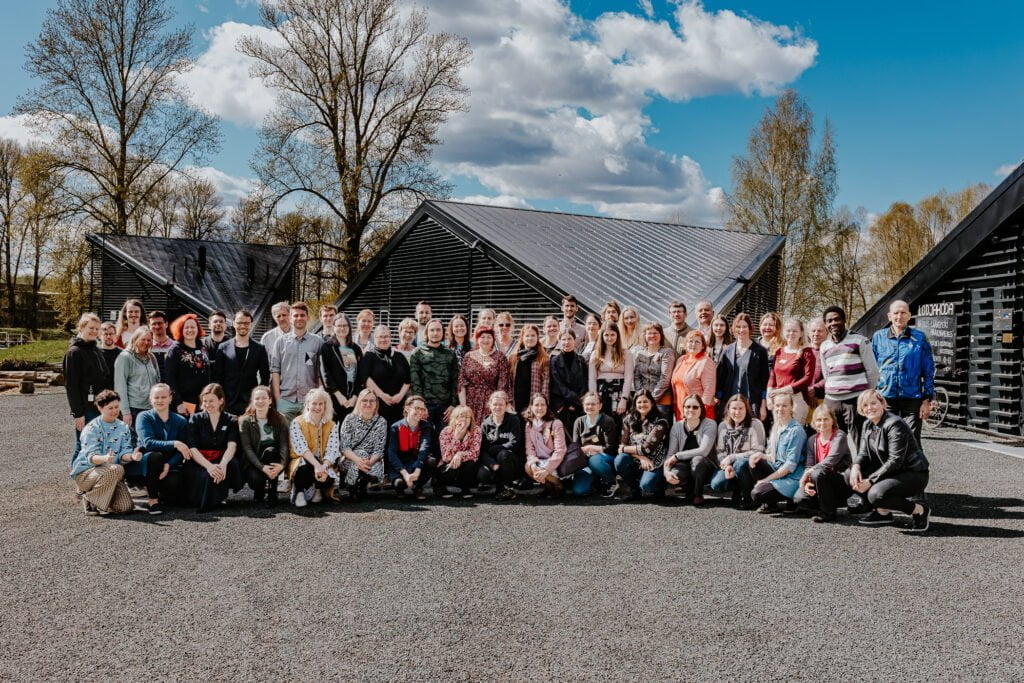
In April and May 2022 a mini-Tartu of 45 residents gathered over two weekends to learn about the climate and sustainable mobility goals of Tartu, hear experts and stakeholder groups, and deliberate on solutions. 66 recommendations on calming traffic, creating more space for pedestrians and bikers, as well as preserving and increasing biodiversity in Tartu were made to the town hall. A public response by the municipality of 100 000 residents was published and presented to the mini-Tartu one month later.
Two years later, while drafting the development plan, Tartu municipality published an update on the implementation of the proposals. Most of the proposals have been implemented or are in the process of it.
The assembly was organized in collaboration with the Green Tiger Foundation and the city of Tartu.
More details of the assembly can be found here and you can also check out the video (in Estonian).
Ida-Viru youth assembly on Just Transition (2021)
The first climate-related citizen assembly of Estonia was regional (in the Ida-Viru county in Northeastern Estonia) and only limited to youth between 16 and 29 years. The assembly was virtual and took place over two weekends, simultaneously in Estonian and Russian language. The young participants evaluated the Just Transition draft plan for the oil-shale dependent county.
The assembly members drafted around 20 proposals to the Ministry of Finance and the county administration. Most of the recommendations were accepted to the national plan.
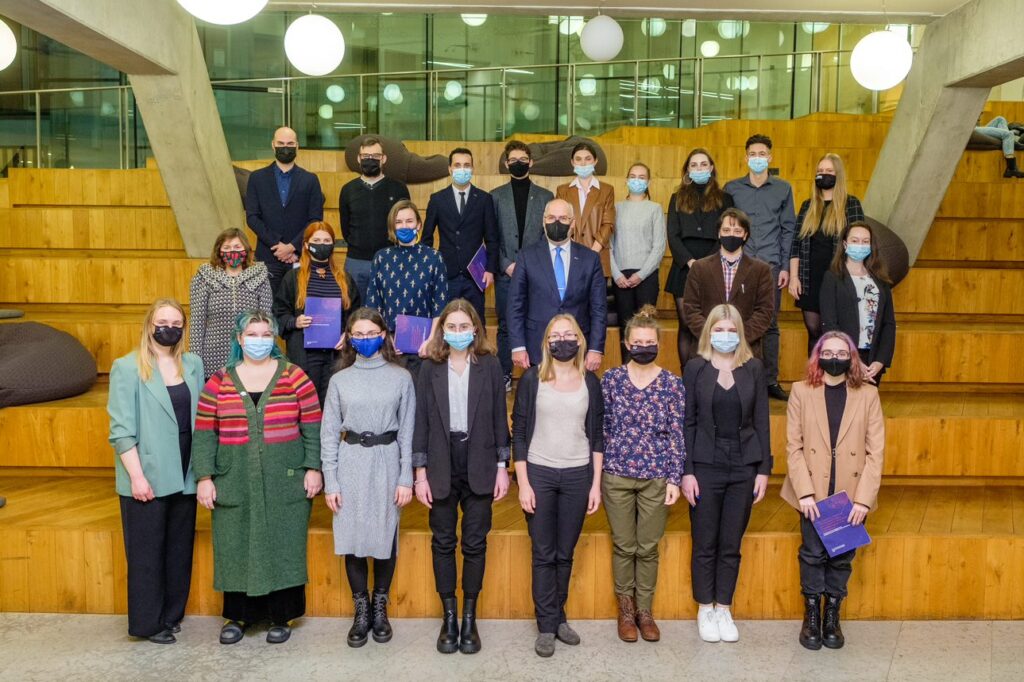
Some participants of the assembly formed a new civic organisation to raise climate awareness in the region. The organization now represents the local youth in the steering committee of the Just Transition Fund (340 mln €) at the Ministry of Finance. The steering committee is led by the minister and it consists of other ministries, employers and trade unions from the region, environmental organizations, universities. Before the climate assembly there was nobody representing the youth from the region.
The Ida-Viru youth assembly was organized by the Estonian Fund for Nature and the Green Tiger Foundation.
Read more about the assembly here and take a look at the presentation as well.
MINI-PUBLIC EXPERTS:


MENU:
CONTACT:
Email: rahvakogud@praxis.ee
Address: Mõttekoda Praxis, Ahtri 6a, Tallinn